
How are search engines transforming in the AI-first world of 2025?
In 2025, search engines become AI-first platforms capable of understanding intent, personalizing results, and multimodal query support. This shift reinvents SEO and marketing strategies as they focus on quality content and user experience. This blog discusses how AI-powered search requires new methodologies for brands, local businesses, and marketers to remain seen and pertinent.

Is 2025 the tipping point for AI in creative industries?
In 2025, AI is transforming creative industries by enhancing workflows, enabling new forms of content creation, and democratizing access to tools. While AI accelerates production and innovation, human creativity and ethical oversight remain vital. This blog examines how 2025 marks a tipping point for AI’s role in reshaping creativity, collaboration, and the future of creative professions.
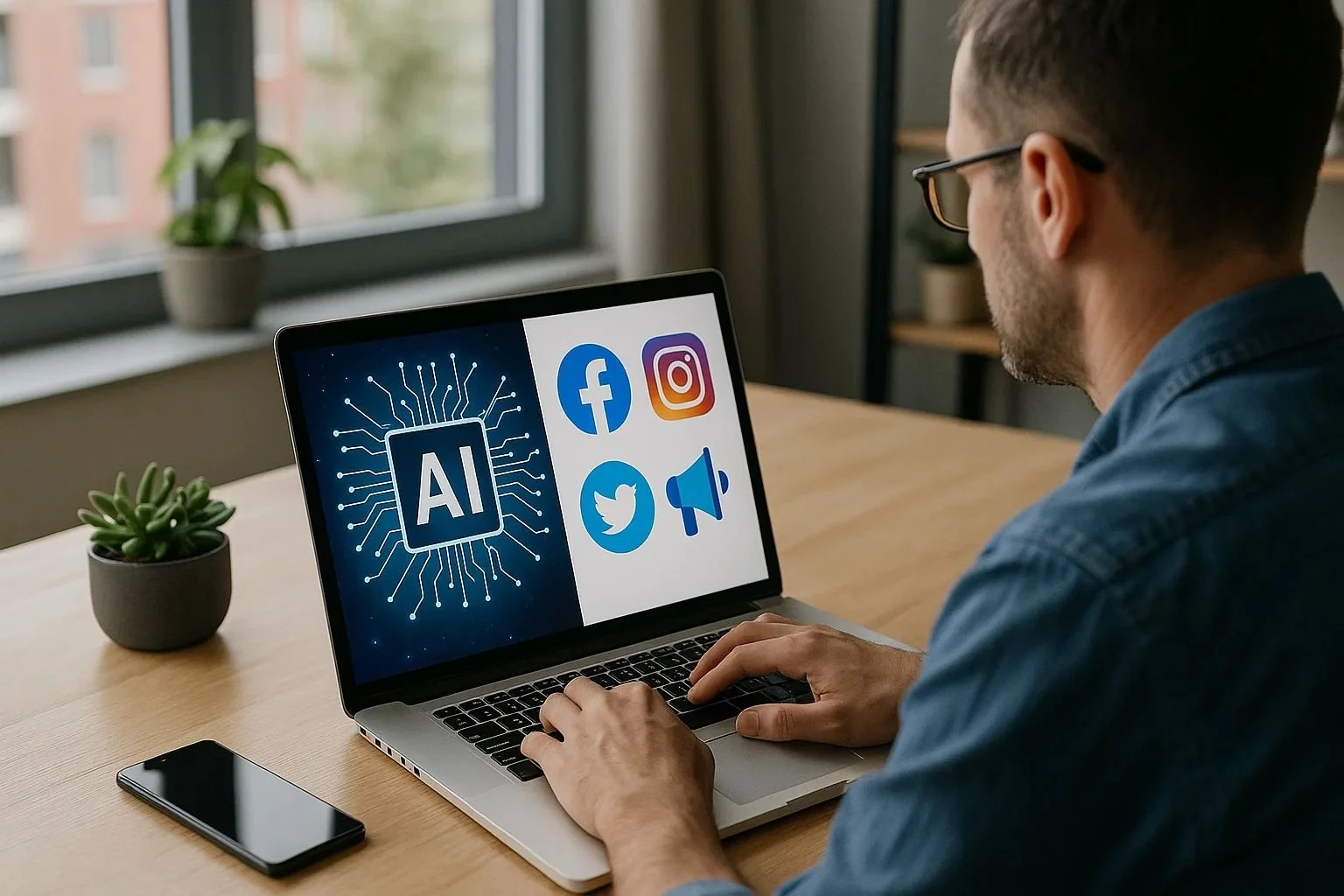
Will AI replace traditional social media advertising in 2025?
In 2025, AI refines social media advertising through automating content creation, targeting, and personalization to increase efficiency and ROI. Nonetheless, human imagination, strategy, and ethical supervision continue to be fundamental to ensure authenticity and connection. How AI and conventional social media advertising coexist, transforming marketing with an even, integrated approach, is discussed in this blog.

How are generative AI tools reshaping SEO in 2025?
In 2025, generative AI technologies are revolutionizing SEO through automated content creation, keyword optimization, technical audits, and personalization. Marketers apply these technologies for increased efficiency and relevance while confronting ethical concerns under human oversight. This blog addresses how SEO based on AI is revolutionizing digital marketing strategies for today's competitive world.

Is AI evolving faster than human marketers in 2025?
In 2025, AI evolves rapidly, automating routine marketing tasks at scale. However, human marketers remain vital for creativity, strategic oversight, and ethical decision-making. This blog explores how AI and human marketers are redefining roles, emphasizing collaboration as the key to marketing success in today’s fast-evolving digital landscape.

Why AI Overviews Are Killing Clicks
AI summaries are changing internet search behavior in reducing clicks on original sites and bucking traditional online approaches. Firms are therefore compelled to transform by focusing on brand awareness, local search optimization, and direct interaction. Because of companies such as Torres Digital Marketing and credible local sources such as Sparkly Maid NYC, it is still possible for businesses to stay afloat.
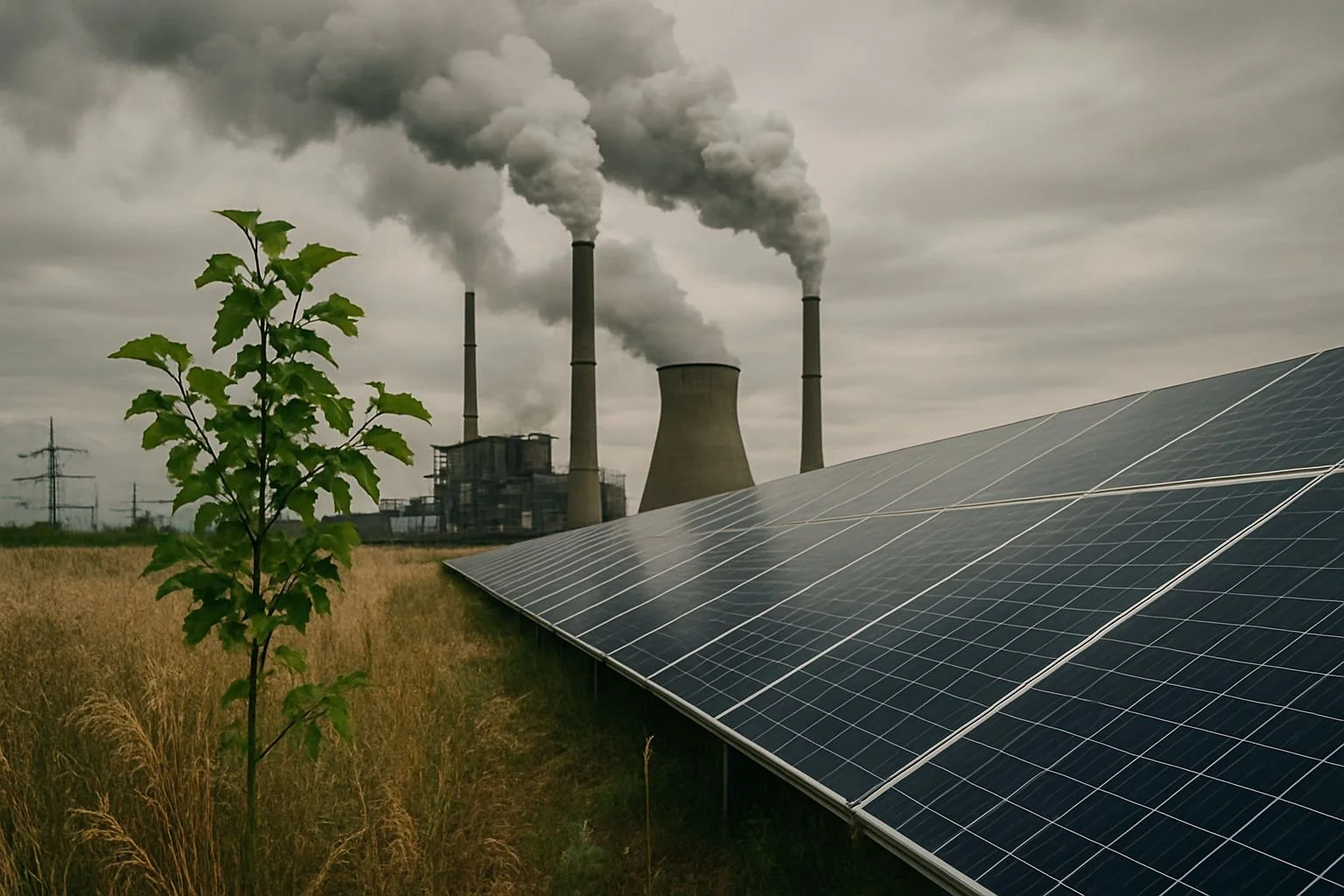
How does AI affect the environment in 2025
In 2025, AI’s environmental impact—from surging energy and water use to growing e-waste and carbon emissions—poses urgent challenges. This blog explores AI’s ecological footprint, its promise for sustainability, and how businesses can adopt responsible practices to balance innovation with environmental stewardship.

Who is using AI the most in 2025
By 2025, AI is widely used across industries—from tech and finance to healthcare and retail—with 78% of companies integrating AI technologies. Discover which sectors and regions are leading AI adoption and how businesses, including service providers like Sparkly Maid Orlando, are harnessing AI for efficiency and growth.

Who invented AI, and why does it matter in 2025
Discover who invented AI and why their pioneering work still shapes the technology in 2025. Explore how foundational ideas from Alan Turing and Claude Shannon inform responsible AI use today, benefiting businesses like cleaning services and digital marketing firms striving for innovation with integrity.

Which country will dominate AI in 2026
In 2026, the United States is poised to dominate the AI landscape, thanks to its robust innovation ecosystem, massive investments, and global talent pool. As nations compete for leadership, businesses including cleaning services and marketing firms like Torres Digital Marketing Chicago must strategically adapt to leverage AI sustainably and responsibly.

Why is generative AI bad for the environment in 2025
Generative AI’s rise in 2025 brings remarkable benefits but also significant environmental costs—from enormous electricity and water consumption to carbon emissions and e-waste. Discover the hidden impacts of generative AI, why it strains the planet, and how businesses and users can adopt responsible practices for a sustainable digital future.

What is the biggest problem with AI in 2025
AI’s biggest problem in 2025 is the widening gap between lofty expectations and real-world outcomes, driven by biased data, opaque algorithms, and leadership misalignment. Discover how businesses can overcome these hurdles responsibly, with guidance from experts like Torres Digital Marketing Chicago, to unlock AI’s true potential.

What are 5 disadvantages of AI in 2025
In 2025, AI’s rapid rise comes with significant disadvantages—from job loss and privacy issues to environmental strain and skill erosion. This blog highlights five critical challenges and explores how businesses, from cleaning services to digital marketing firms, can navigate AI responsibly for sustainable success.

Where will AI have the biggest environmental impact in 2025
Where will AI have the biggest environmental impact in 2025? From energy-hungry data centers to hardware production and water use, this blog examines AI’s largest environmental footprints and explores how businesses and technology leaders can balance digital innovation with sustainability efforts for a greener future.
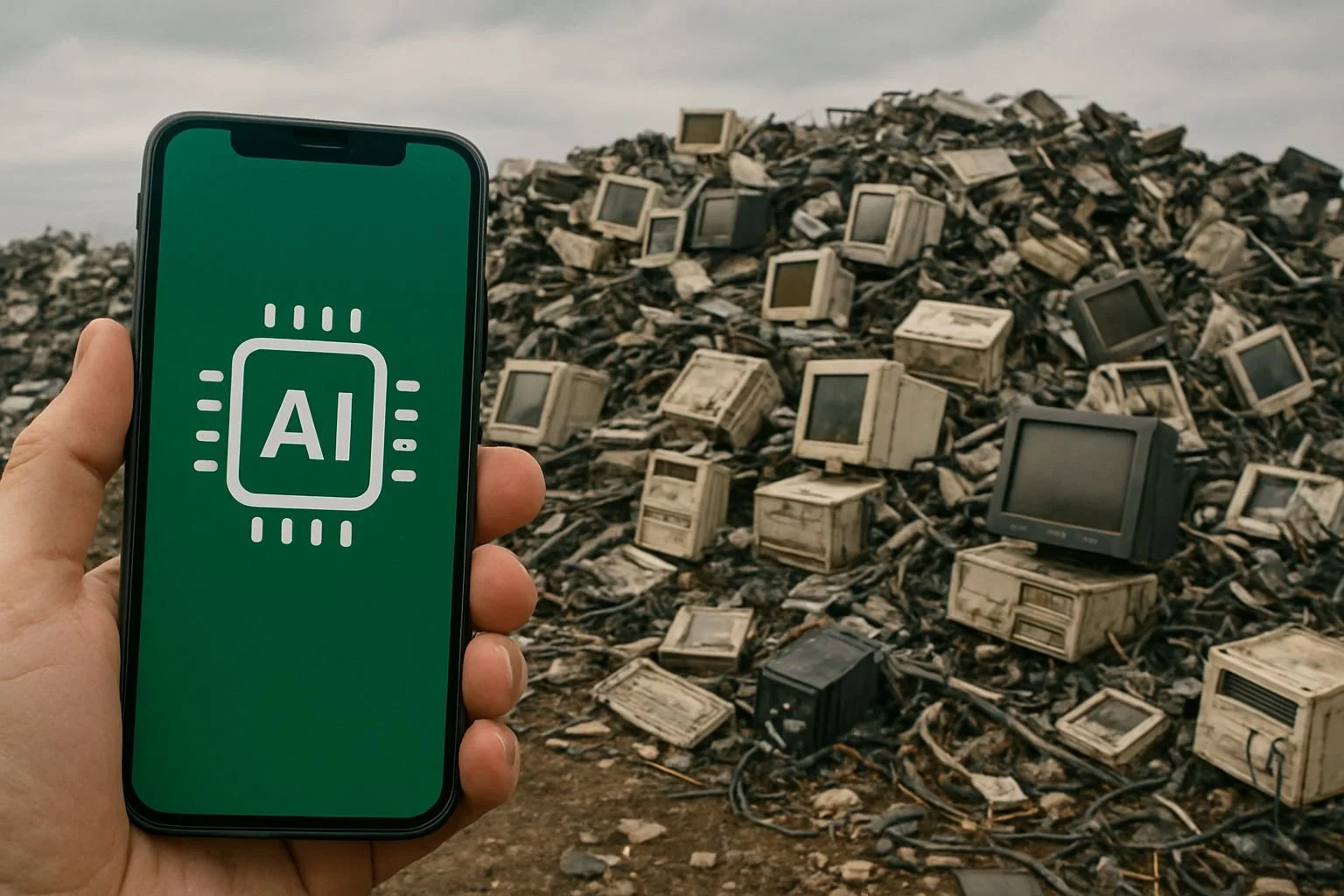
How does AI affect e-waste in 2025
AI’s rapid development in 2025 accelerates e-waste growth but also powers breakthrough recycling technologies. This blog examines AI’s dual role in escalating electronic waste and enabling smarter, sustainable disposal. Discover how businesses and communities can leverage AI responsibly to minimize e-waste impacts and help protect the environment.
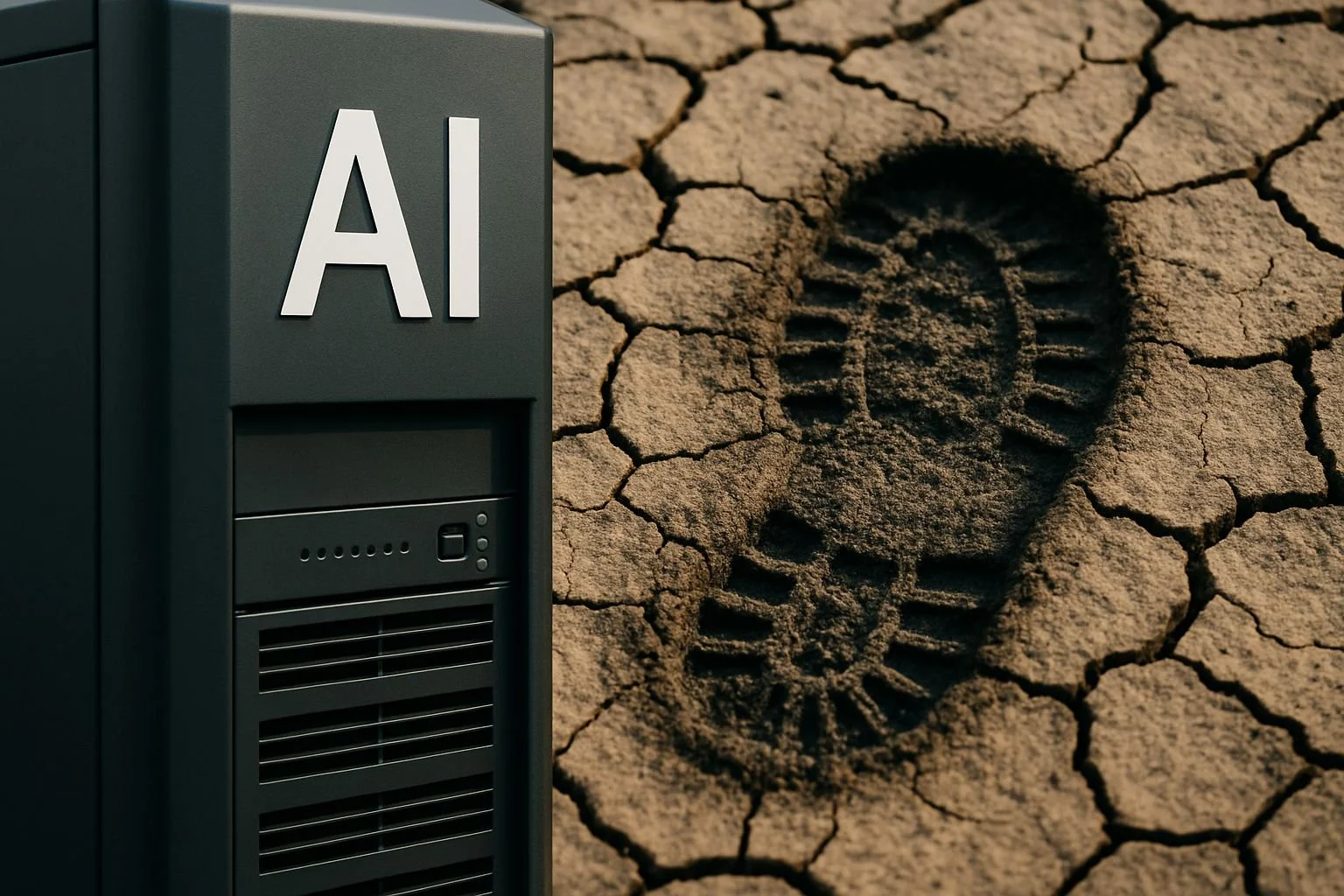
Does AI have a big carbon footprint in 2025
AI’s carbon footprint in 2025 is significant, fueled by growing data center energy demand for model training and real-time use. This blog unpacks the scale of emissions, the complexity behind energy consumption, and how industry leaders and businesses are adopting sustainable AI practices to balance innovation with environmental responsibility.

What are the biggest environmental threats in 2025
In 2025, the planet faces daunting environmental threats from climate change to water scarcity, pollution, and biodiversity loss. This blog dives into the most pressing challenges and explores how businesses, communities, and leaders can take sustainable action. Discover insights on balancing innovation with ecological stewardship for a resilient future.

How much water does AI waste in 2025
In 2025, AI’s thirst for water is a growing environmental concern. Data centers consume hundreds of billions of liters annually for cooling, depleting scarce water resources especially in drought-prone regions. Discover how AI’s water footprint affects communities and what businesses can do to balance digital innovation with sustainable water stewardship.

What are the negative effects of AI in 2025
In 2025, AI is everywhere—but so are its risks. Explore the most significant negative effects of AI: from job loss and bias to privacy erosion, security threats, and environmental fallout. Learn what forward-thinking leaders and businesses are doing to innovate responsibly, and how you can adapt for a balanced digital future.
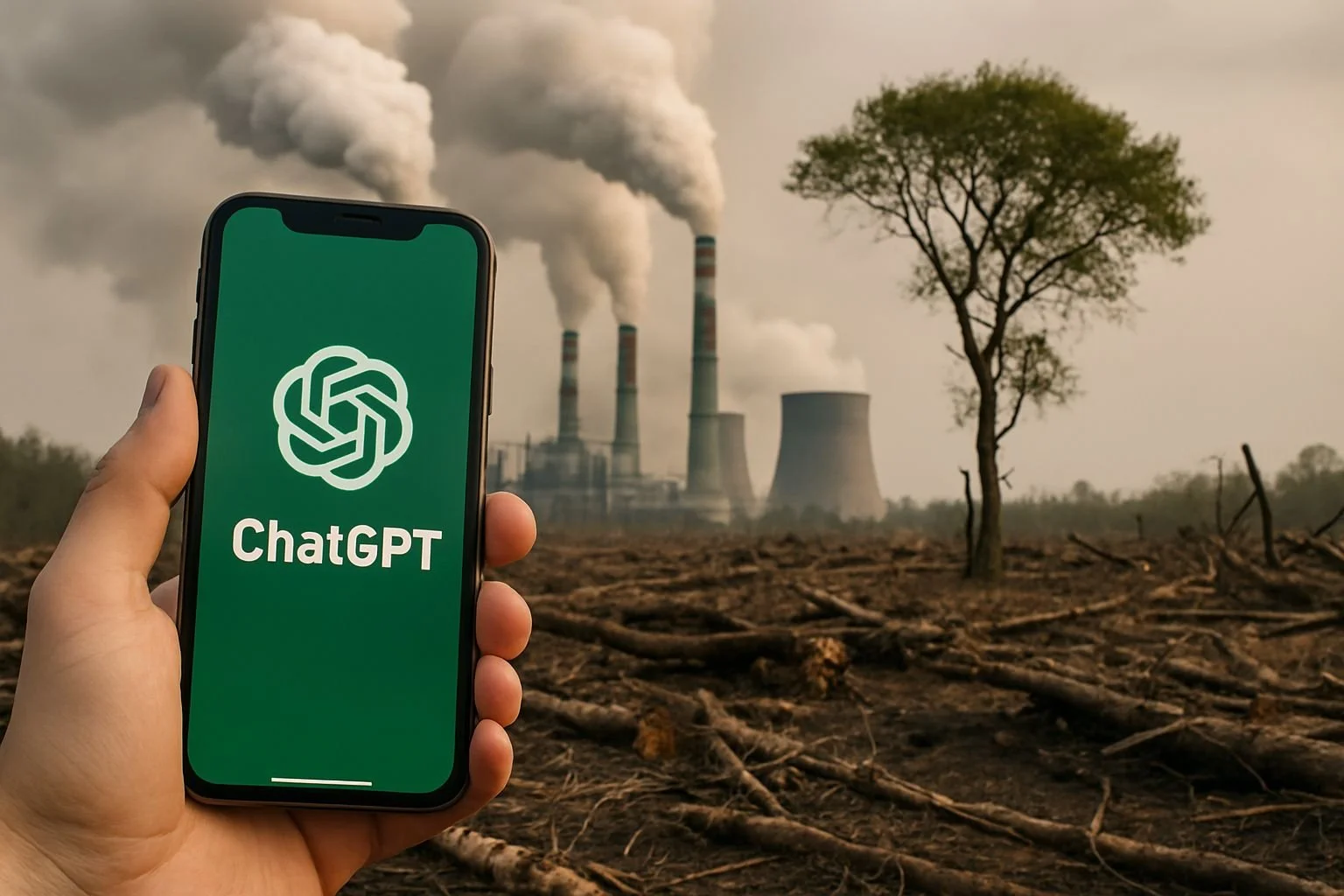
Is ChatGPT destroying the environment in 2025
Is ChatGPT really destroying the environment in 2025? Explore the science and scale behind AI’s environmental impact—from energy and water use to carbon emissions. Learn what individuals, businesses, and tech leaders are doing to build a more sustainable future with responsible innovation.